


Pneumatic Cylinder Common Faults: Causes and Solutions (A 9-Type Troubleshooting Guide)
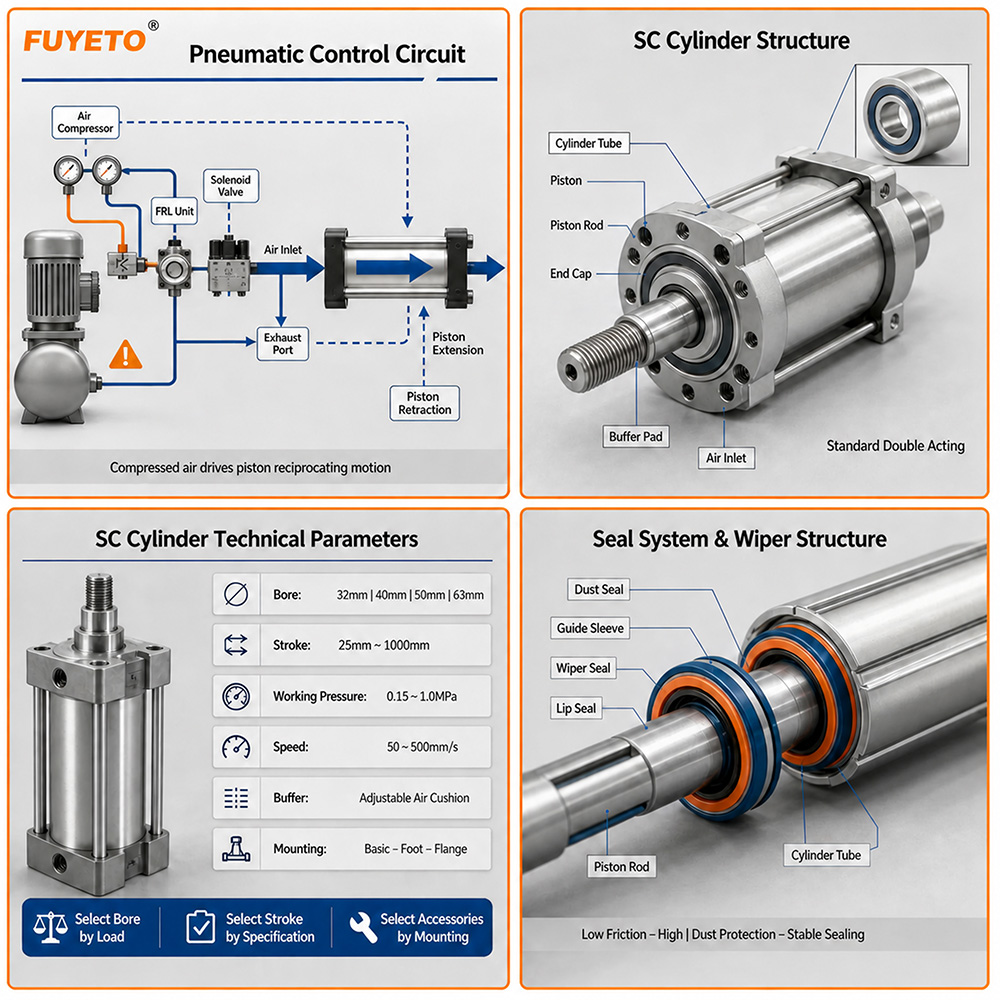
Pneumatic cylinders are among the most widely used actuators in automated production lines. Driven by compressed air, they convert air pressure into linear motion for pushing, pulling, clamping, lifting and rotating, and are found across packaging, assembly, welding and logistics sorting equipment. After long service, cylinders are prone to problems — air leaks, weak force, creeping motion or sticking — which slow down production at best and cause downtime or even safety incidents at worst.
1. Before You Start: Check These Three Things
Many cylinder “failures” actually originate outside the cylinder. Before dismantling anything, verify three prerequisites:
1.1 Air Supply
Check whether the supply pressure meets the equipment requirement (typically 0.4–0.7 MPa), whether the water separator needs draining, and whether the filter is clogged.
1.2 Directional Control Valve and Tubing
Check whether the solenoid valve shifts properly and the spool is not stuck, and whether the fittings leak or the tubing is kinked.
1.3 Load and Mounting
Check whether the load exceeds the cylinder capacity, whether the cylinder is mounted with side load, and whether the piston rod is aligned with the direction of motion.
Ruling out external factors first avoids a lot of unnecessary disassembly.
2. Nine Common Faults in Detail
Use the quick-reference table below to locate the fault, then check the corresponding section for details.
| Fault | Typical Symptom | Main Cause | Solution |
| External air leakage | Continuous air leak at barrel, end caps or fittings; hissing sound or oil stains | Worn or aged seals, scored barrel, loose fittings | Replace seals, inspect barrel, tighten fittings |
| Internal air bypass | Reduced thrust, weak action, inaccurate stopping | Worn piston seals, excessive piston–barrel clearance | Replace piston seals; replace piston or barrel if needed |
| No movement or sticking | No action after valve shift, or stops mid-stroke | Low air pressure, faulty valve, debris jam, poor lubrication | Adjust pressure, repair valve, clean barrel, improve lubrication |
| Slow creeping | Jerky motion at low speed, uneven travel | Uneven friction, poor lubrication, improper throttle setting, scored barrel | Improve lubrication, readjust throttle, repair or replace barrel |
| Insufficient thrust or pull | Cannot move the load or acts weakly | Low pressure, internal bypass, overload, undersized bore | Adjust pressure, fix bypass, size the cylinder to the load |
| Cushion failure / end impact | Loud impact at stroke end, machine vibration | Improper cushion valve setting, worn cushion seal, high load inertia | Readjust cushion, replace cushion seal, add hydraulic shock absorber |
| Abnormal noise | Knocking or high-frequency squeal during operation | Poor lubrication, rod misalignment, damaged barrel, exhaust noise | Add lubrication, realign mounting, replace damaged parts, add silencer |
| Rod does not return or drifts | Rod does not retract after air-off, or drifts when stopped | Tired return spring, valve internal leak, friction sticking, load back-force | Replace spring, repair valve, clean and lubricate, review load |
| Abnormal heat generation | Barrel noticeably hotter than ambient, hot to the touch | High cycle rate, poor lubrication, excessive pressure, poor heat dissipation | Reduce cycle rate or enlarge bore, improve lubrication, adjust pressure |
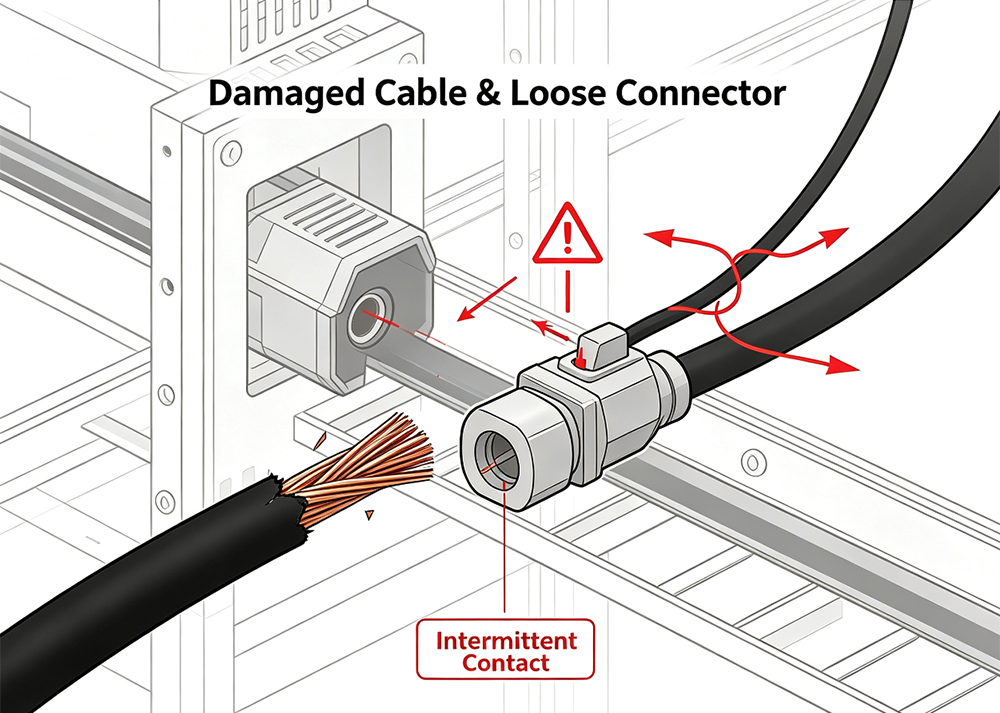
2.1 External Air Leakage
Symptom: Continuous air leakage at the barrel, end caps or inlet/outlet fittings, with audible hissing or visible oil stains.
Cause: Worn or aged seals; scored barrel bore; loose fittings or failed sealant tape.
Solution: Replace damaged seals; inspect the barrel bore — light scoring can be honed, severe scoring requires barrel replacement; retighten fittings and reapply sealant tape.
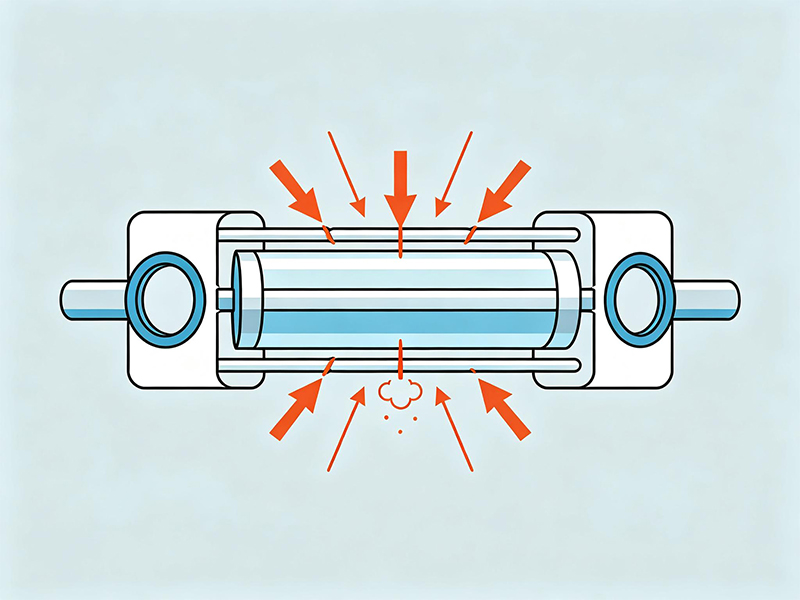
Fig. 1 External air leakage (schematic)
2.2 Internal Air Bypass
Symptom: Noticeably reduced thrust, weak action, inaccurate stopping, and repeated creeping at low speed.
Cause: Worn piston seals allowing high-pressure air to bypass into the low-pressure chamber; excessive clearance between piston and barrel.
Solution: Replace piston seals; if clearance is out of tolerance, replace the piston or the entire barrel assembly.
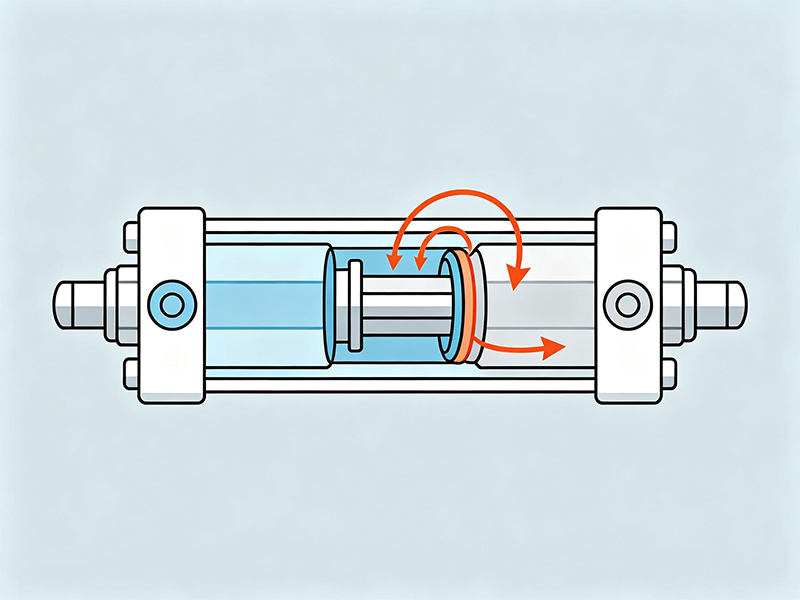
Fig. 2 Internal air bypass (schematic)
2.3 No Movement or Sticking
Symptom: No action after air is applied and the valve shifts, or the cylinder stops mid-stroke.
Cause: Insufficient supply pressure; faulty directional control valve; chips or debris jammed inside the barrel; excessive friction due to poor lubrication.
Solution: Check and adjust supply pressure; repair or replace the directional valve; disassemble and clean the barrel and inspect the piston assembly; restore proper lubrication.
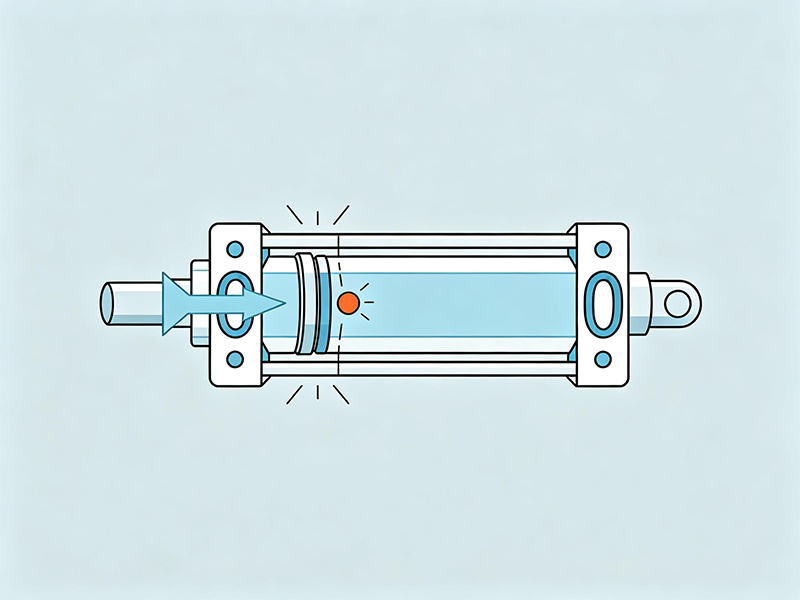
Fig. 3 No movement or sticking (schematic)
2.4 Slow Creeping
Symptom: Jerky, non-uniform motion at low speed; the cylinder cannot advance smoothly.
Cause: Uneven friction between barrel and piston; poor lubrication; improper speed control valve adjustment; locally scored barrel.
Solution: Improve lubrication; readjust the speed control valve; repair or replace the barrel; lower the required speed if necessary.
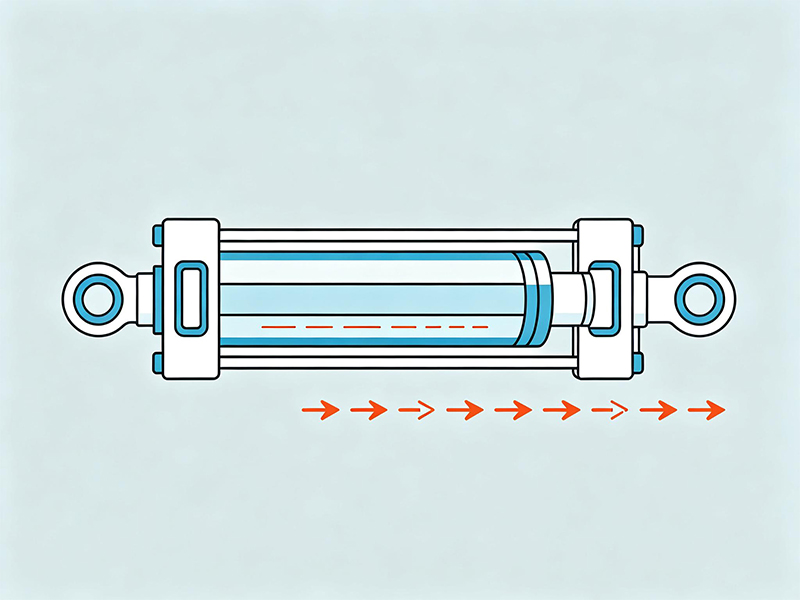
Fig. 4 Slow creeping (schematic)
2.5 Insufficient Thrust or Pull
Symptom: Cannot move the load, or acts slowly and weakly.
Cause: Low supply pressure; internal bypass (internal leakage); load exceeding cylinder output; undersized bore selection.
Solution: Raise supply pressure to the rated value; fix internal leakage; calculate theoretical output based on bore, pressure and load, and select a larger bore or higher pressure rating when the load margin is insufficient.
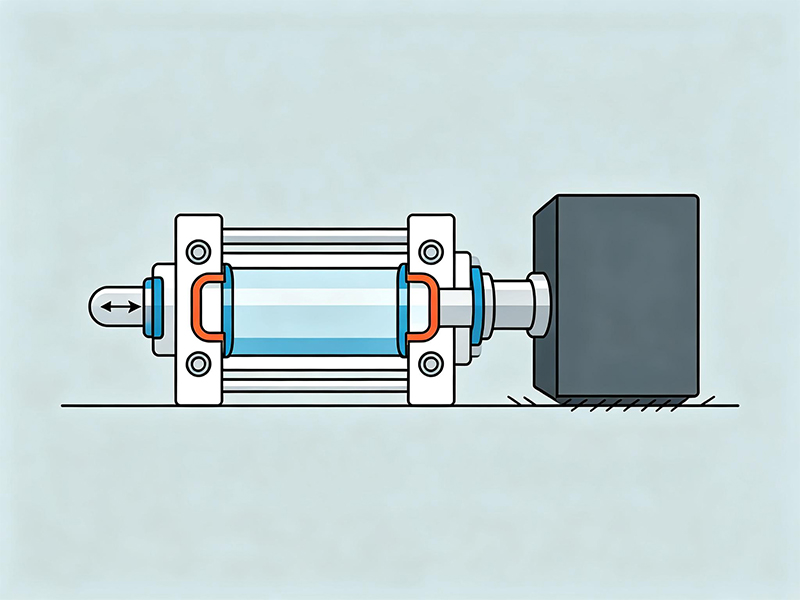
Fig. 5 Insufficient thrust or pull (schematic)
2.6 Cushion Failure and End Impact
Symptom: Loud impact at the end of stroke, machine vibration, and reduced positioning accuracy.
Cause: Cushion adjusting valve opened too far or misadjusted; worn cushion seal; high load inertia or excessive speed.
Solution: Readjust the cushion valve; replace the cushion seal; add an external hydraulic shock absorber or reduce speed in high-inertia applications.
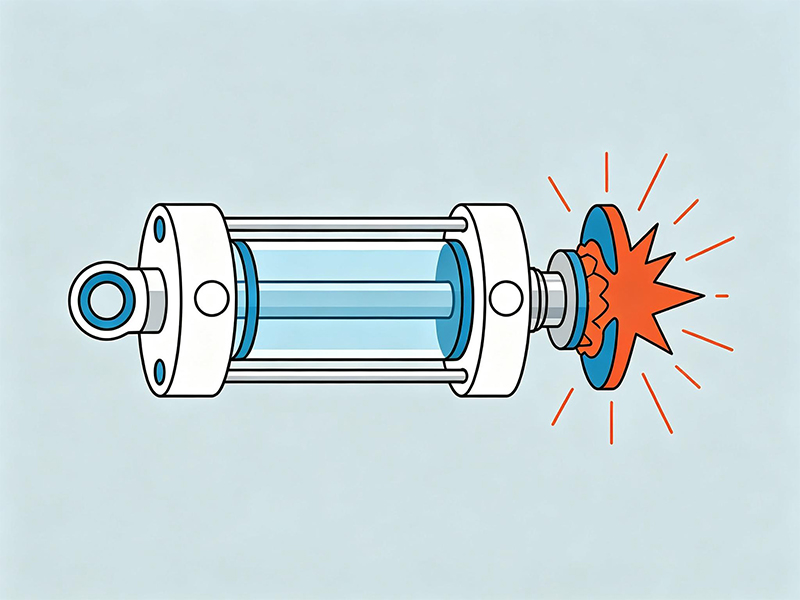
Fig. 6 Cushion failure and end impact (schematic)
2.7 Abnormal Noise
Symptom: Knocking or high-frequency squealing during operation.
Cause: Poor lubrication; rod side load or mounting misalignment; damaged barrel bore; loud exhaust airflow noise.
Solution: Add lubrication; realign the mounting; replace damaged parts; fit a silencer at the exhaust port.
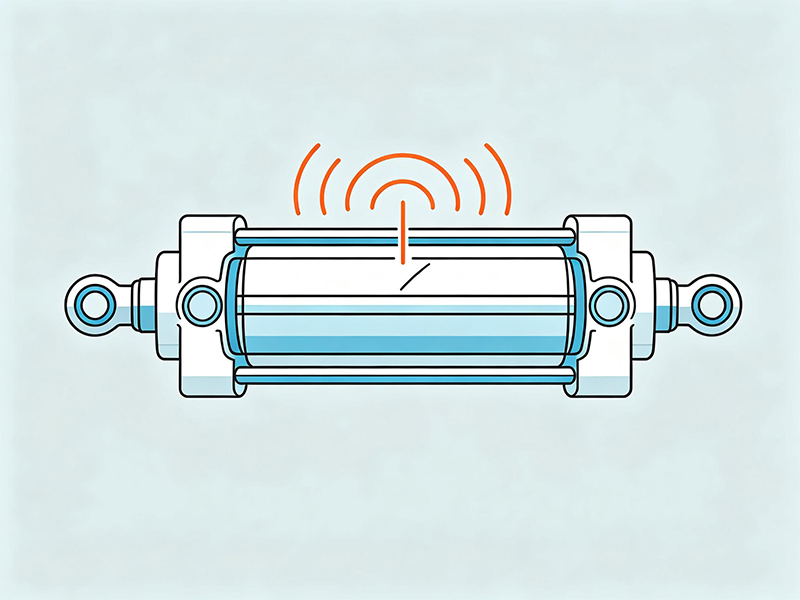
Fig. 7 Abnormal noise (schematic)
2.8 Rod Does Not Return or Drifts
Symptom: Rod does not retract after air is removed, or drifts slowly after stopping.
Cause: Fatigue or breakage of the return spring in single-acting cylinders; internal valve leakage allowing air in; piston friction sticking; excessive load reaction force.
Solution: Replace the return spring; repair or replace the valve body; clean and lubricate the piston assembly; review whether the load direction is reasonable.
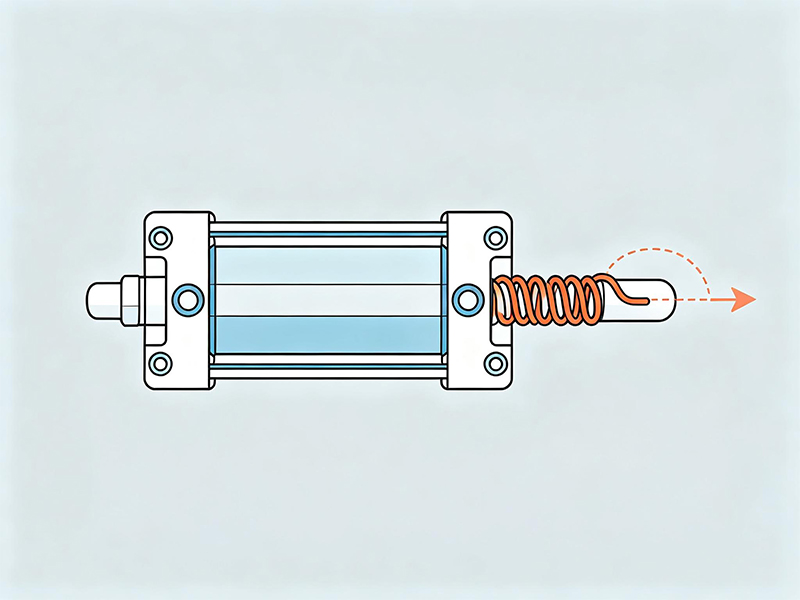
Fig. 8 Rod does not return or drifts (schematic)
2.9 Abnormal Heat Generation
Symptom: Barrel temperature noticeably higher than ambient, hot to the touch.
Cause: Excessive cycling frequency; increased friction from poor lubrication; excessive supply pressure; poor heat dissipation.
Solution: Reduce cycling frequency or use a larger bore to share the load; improve lubrication; adjust pressure according to working conditions; improve ventilation and cooling.
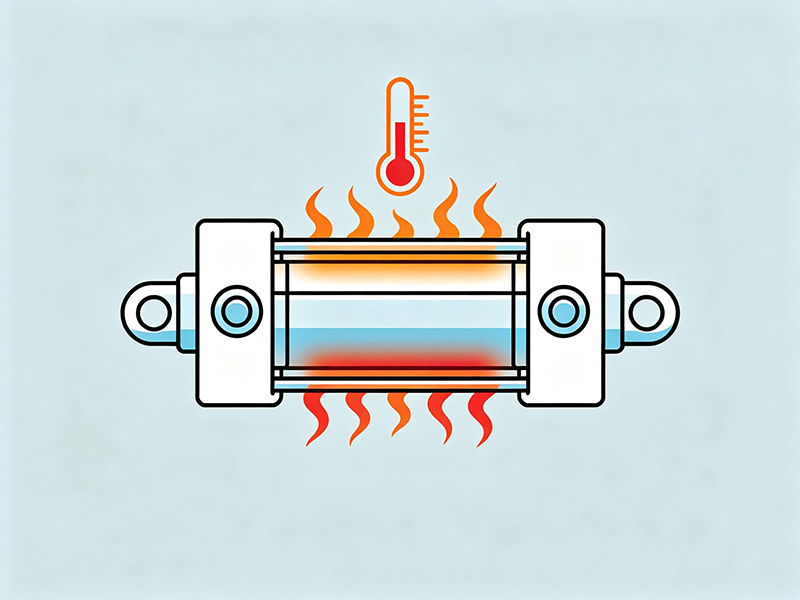
Fig. 9 Abnormal heat generation (schematic)
3. Five-Step Troubleshooting Process
Work through the steps in order to locate the problem quickly.
3.1 Observe the Symptoms
First identify whether the fault is leakage, weak force, creeping, noise, impact or overheating.
3.2 Check the Air Supply
Verify the pressure gauge reading, drain the water separator and clean the filter.
3.3 Check the Valve and Tubing
Manually shift the solenoid valve to check switching, and inspect fittings and tubing for leaks or kinks.
3.4 Check the Cylinder Itself
Inspect the seals, barrel, piston rod and lubrication condition.
3.5 Check the Load and Mounting
Review the load and mounting alignment.
Note: Steps 3.2 and 3.3 eliminate most “false faults”. Always shut off the air supply and exhaust the pressure before disassembly.
4. Daily Maintenance Recommendations
4.1 Air Source Treatment
Drain the water separator regularly and replace filter elements on time to keep the compressed air clean and dry. Moisture and contaminants are the number one cause of premature seal failure.
4.2 Lubrication Management
Use pneumatic-system lubricating oil as recommended by the manufacturer and control the oil-mist lubricator feed rate; both too much and too little cause trouble.
4.3 Regular Inspections
Inspect fitting tightness, seal condition and cushion performance monthly; critical equipment can be included in a preventive maintenance schedule.
4.4 Proper Mounting
Keep the piston rod aligned with the direction of load movement to avoid side loads that cause uneven seal wear.
4.5 Standard Operation
Do not exceed the rated pressure, cycling frequency or load; apply rust-preventive oil and cap the ports before long-term shutdown.
5. Conclusion
Cylinder faults generally follow a pattern: check outside before inside, air before cylinder, and simple before complex. By following the sequence “air supply → valve → cylinder → load” with regular preventive maintenance, most cylinder faults can be located and resolved quickly, reducing downtime and extending equipment life.
If you are selecting cylinders for your production line or dealing with recurring faults, feel free to contact our technical team — we will provide selection and maintenance advice tailored to your working conditions.